In a landmark move for Kenya’s transport infrastructure, the Kenya National Highways Authority (KeNHA) has officially awarded a 30-year Public-Private Partnership (PPP) concession to Shandong Hi-Speed Road & Bridge International Engineering Co. Ltd (SDRBI). The agreement covers the design, construction, and long-term operation of the critical 94-kilometre Gilgil–Nakuru–Mau Summit highway, a busy stretch that serves as a lifeline for both domestic travel and regional trade.
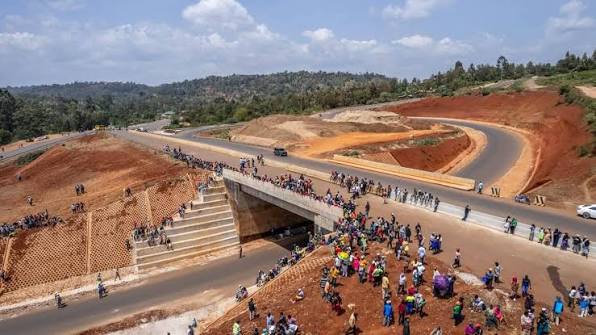
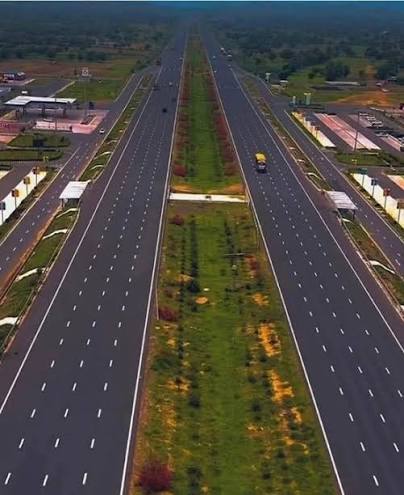
The project is set to transform one of Kenya’s most congested corridors into a modern dual carriageway, significantly upgrading the existing A8 road section. Beyond the standard widening, the scope of work includes the construction of interchanges to ease traffic flow, a dedicated viaduct within Nakuru City, multiple bridges, robust drainage systems, and state-of-the-art tolling infrastructure. Safety has also been given top priority, with the inclusion of advanced road safety features designed to reduce the high accident rates historically recorded on this route.
The financial commitment for this mega-project is substantial, with total costs estimated at USD 678.5 million. Under the Design, Build, Finance, Operate, Maintain, and Transfer (DBFOMT) model, Shandong Hi-Speed will shoulder the upfront construction costs and recover its investment through toll collections over the concession period. After the 30 years elapse, full ownership and operation of the highway will be handed back to KeNHA.
Motorists will be required to pay a toll of KES 8.50 per kilometre travelled. For a vehicle covering the entire 94-kilometre stretch, this translates to approximately KES 799 per trip. While this introduces a direct cost for road users, authorities project that the dramatic improvement in travel time, vehicle operating costs, and overall convenience will offer significant value for money in the long run.
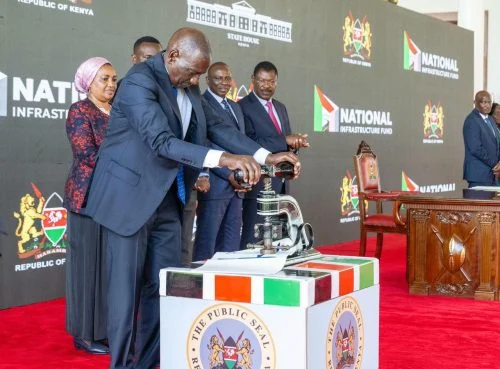
Interestingly, this project was not initiated through a conventional government tender but rather as a Privately Initiated Proposal (PIP) submitted by SDRBI to KeNHA. The proposal underwent rigorous scrutiny and eventually secured formal approval from Kenya’s PPP Committee, paving the way for contract negotiations.
The project agreement was officially authorized on November 25, 2025, signaling the green light for financial close and mobilisation. With construction activities expected to ramp up swiftly, KeNHA has set an ambitious completion target of 2027. Once finished, the highway will mark a major milestone in Kenya’s infrastructure development strategy, showcasing the viability of private-sector participation in public assets.
The Gilgil–Nakuru–Mau Summit road is not just another highway; it is a vital segment of the Northern Corridor, which acts as East Africa’s primary trade and transport artery. This route handles a massive volume of freight moving between the port of Mombasa and the landlocked nations of Uganda, Rwanda, South Sudan, and the Democratic Republic of Congo.
By upgrading this bottleneck, the government aims to slash travel times, ease the chronic gridlock that often plagues Nakuru town, and drastically improve logistics efficiency. For businesses in the Rift Valley and Western Kenya, the new dual carriageway promises smoother access to markets, ultimately lowering the cost of goods. The project is therefore viewed as a strategic catalyst for economic growth, not just for Kenya, but for the entire East African Community.
The awarding of the Gilgil–Nakuru–Mau Summit PPP contract to Shandong Hi-Speed represents a bold step forward in modernising Kenya’s road network. While the introduction of tolls signals a shift towards user-funded infrastructure, the long-term benefits—ranging from enhanced safety and reduced congestion to bolstered regional trade—are expected to outweigh the initial costs. As the 2027 completion date draws nearer, all eyes will be on this corridor to see how this ambitious public-private collaboration reshapes the future of Kenyan travel and commerce.
📄 Disclaimer
This article is based on publicly available information from official government communications, project reports, and credible media sources. While every effort is made to ensure accuracy, project details such as timelines, costs, and implementation status may change over time.