President William Ruto has announced a Ksh7.9 billion first-phase investment in an intelligent transport system aimed at tackling Nairobi’s worsening traffic congestion crisis. This initial outlay is part of a larger Ksh44.9 billion (US$344.9 million) project that will be rolled out in three phases.
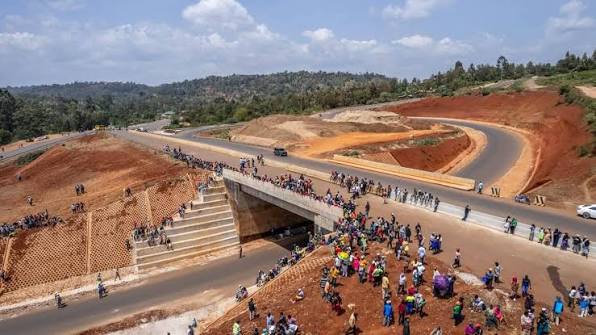
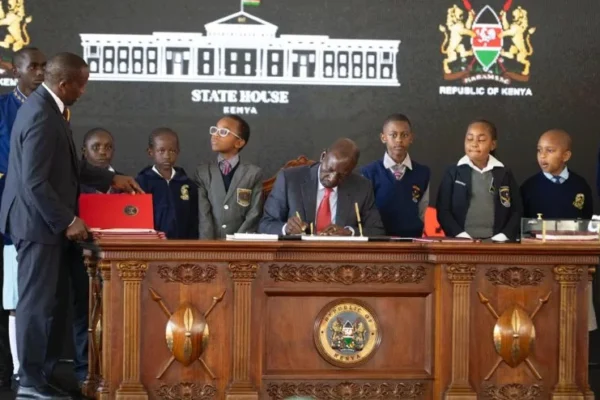
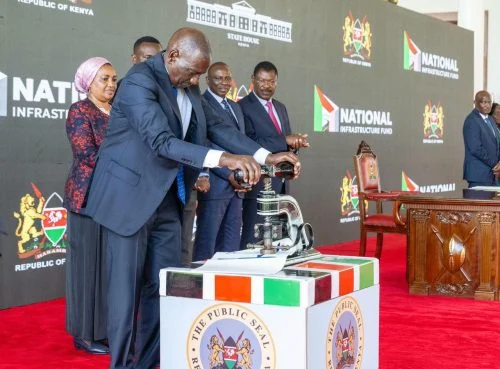
The high-stakes intervention, unveiled on June 29, 2026, during the commissioning of the Ngong Road–Naivasha Road flyover, marks a decisive step by the national government to resolve the gridlock that regularly paralyzes the capital.
Nairobi’s commuters have long endured severe delays, and this multi-billion-shilling project represents the presidency’s latest effort to modernize urban infrastructure. Phase 1, currently under construction, covers 25 signalised intersections and includes the establishment of a modern Traffic Management Centre. Phase 2 is budgeted at Ksh13 billion (US$100 million), extending the system to 60 intersections, while Phase 3 is budgeted at Ksh24 billion (US$183.9 million), further expanding coverage to 125 intersections. Upon completion, over 210 intersections across Nairobi will be linked to a coordinated, real-time traffic management system.
By deploying this smart traffic system, the government plans to leverage modern technology to optimize traffic flow and improve transit efficiency across major city arteries. Expected outcomes include smoother traffic flow, enhanced road safety, and significantly reduced travel times.
The Ksh7.9 billion funding highlights the scale of the administration’s commitment to transforming Nairobi into a highly functional, tech-driven African hub. According to available reports, the project is financed with support from the Korea Exim Bank and falls under the Nairobi Urban Regeneration Programme as part of the government’s broader 10-year transport expansion plan.
Historically, manual traffic control and outdated infrastructure have failed to keep pace with the rapid increase of vehicles on Nairobi’s roads. The introduction of an intelligent transport system is expected to shift the city toward automated, real-time traffic management, offering a smarter way to navigate the urban sprawl.
As the executive rolls out this massive technological upgrade, the focus now turns to how quickly the smart system will be integrated to ease the daily commuter struggle. At the same event, President Ruto also announced other infrastructure projects, including the Ksh30 billion Muthaiga–Kiambu Road dual carriageway (covering 23 km), the Ksh3 billion Upper Hill–Kenyatta Avenue fire pipeline (now 60% complete), the Ksh1.6 billion State House Road upgrade, and the Ksh3.9 billion access roads to Talanta Sports City Stadium.
With the official announcement set, the project stands as a central pillar of the government’s broader strategy to enhance economic productivity through improved mobility. Ultimately, the success of this Ksh7.9 billion initiative—as the first stage of the Ksh44.9 billion master plan—will be measured by how effectively it eliminates the daily gridlock and restores order to Nairobi’s transport network.
📄 Disclaimer
This article is based on publicly available information from official government communications, project reports, and credible media sources. While every effort is made to ensure accuracy, project details such as timelines, costs, and implementation status may change over time.