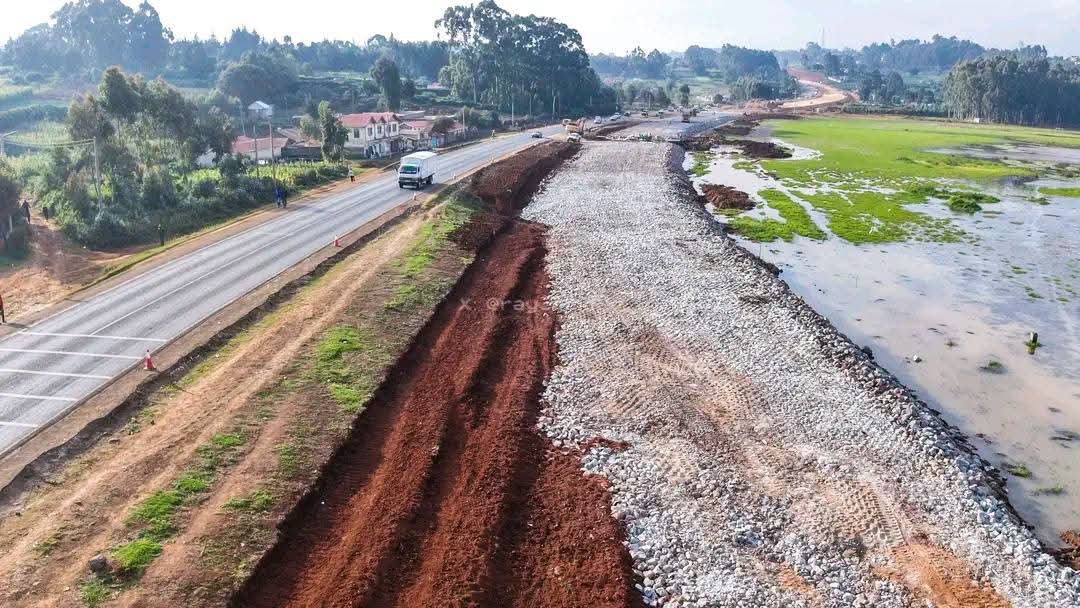
Major construction is in full swing on the Rironi–Nakuru–Mau Summit Highway (A8), marking one of Kenya’s most transformative infrastructure projects.
Here is the latest factual update on progress, tolling arrangements, and key developments as of July 6, 2026
.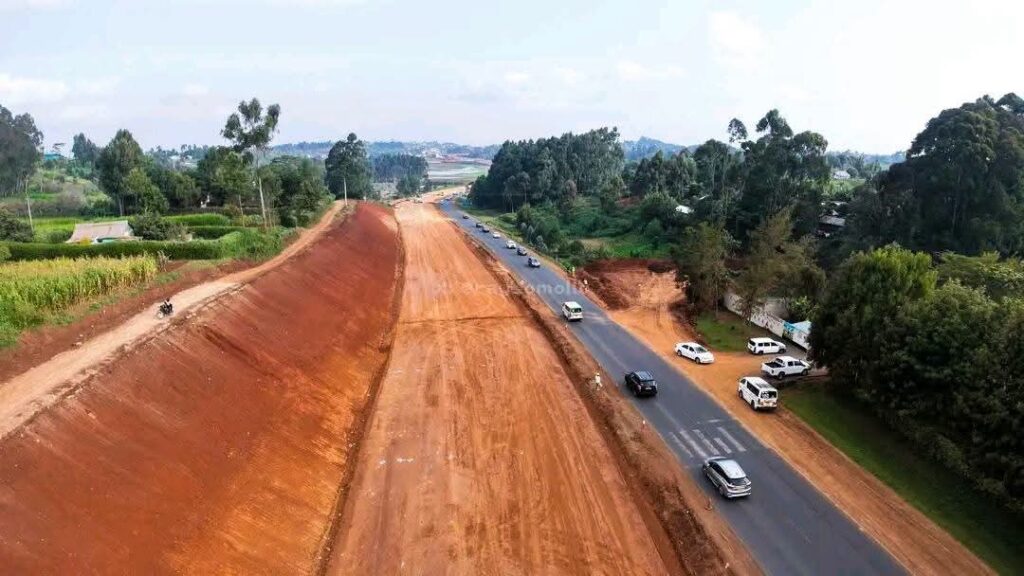
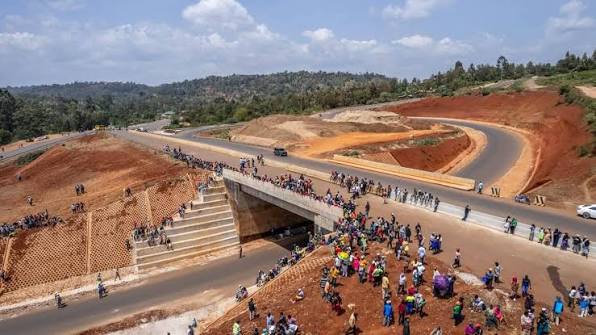
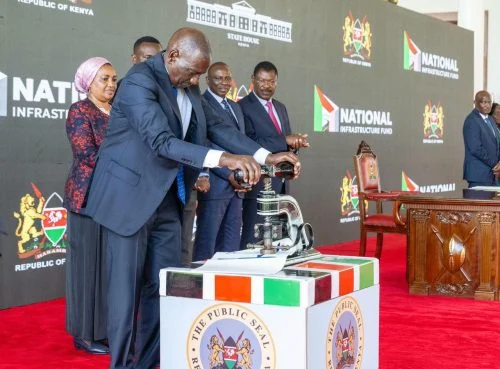
Following its official launch by President William Ruto in November 2025, contractors are now actively undertaking earthworks, road widening, and drainage improvements across multiple sections of the heavily congested corridor.
Interior Principal Secretary Raymond Omollo confirmed on July 6 that construction is progressing steadily, with heavy construction works “in full swing”. Deputy President Kithure Kindiki recently inspected the ongoing works and expressed satisfaction with the contractors’ progress, stating: “Soon this expansive carriageway will sort out the frustrating traffic snarl-ups, the fatal road accidents, and the disappointment of lost travel time”.
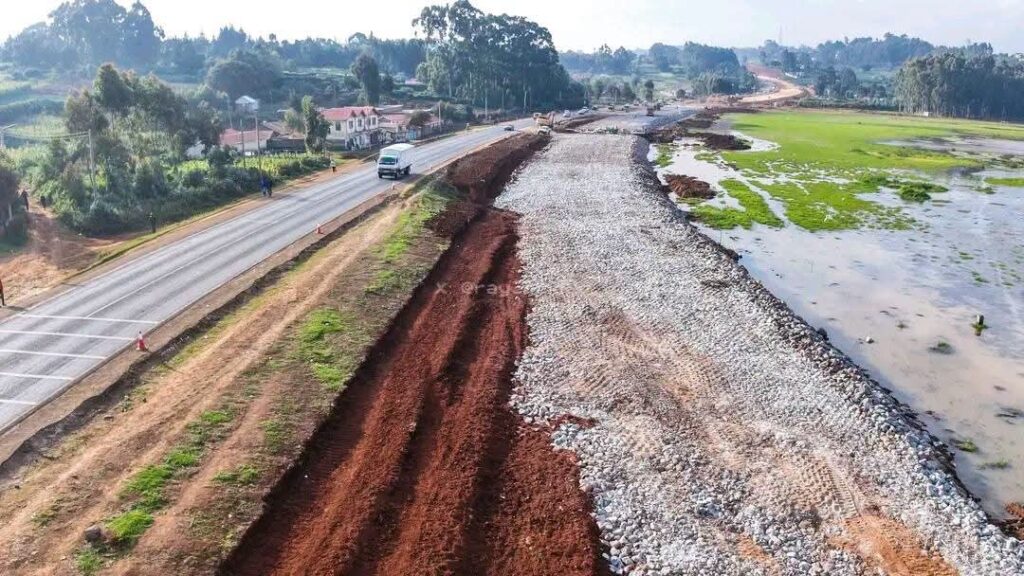
Transport CS Davis Chirchir had earlier reported that at Rironi, China Road and Bridge Corporation (CRBC) is constructing the first five kilometres, while another five kilometres are being worked on in Gilgil. Shandong Construction Company has mobilised at Kariandusi for a 10-kilometre stretch and at Mau Summit for five kilometres. The project is expected to generate about 10,000 jobs, with a strong focus on youth employment and skills transfer.
The project covers 175 kilometres from Rironi through Naivasha and Nakuru to Mau Summit, alongside rehabilitation of the 62-kilometre Rironi–Mai Mahiu–Naivasha Escarpment Road.
Key design features include:
- Modern multi-lane dual carriageways
- Grade-separated interchanges, overpasses, and underpasses
- Dedicated truck lanes and pedestrian footbridges
- Intelligent transport systems for improved traffic flow and safety
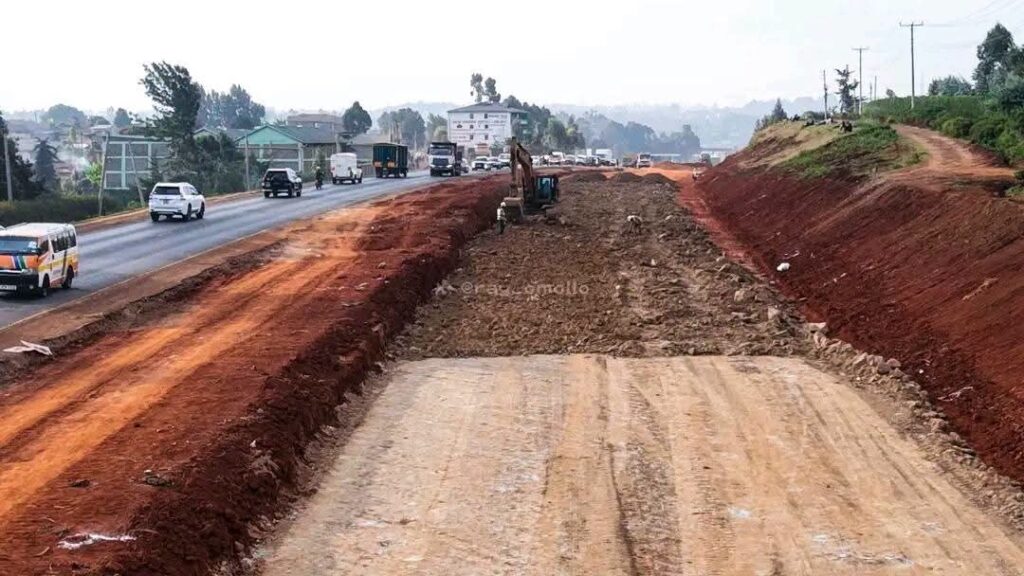
The highway will start at Rironi as a four-lane dual carriageway up to Naivasha. From Naivasha to Nakuru—where traffic volumes are highest—it will widen into six lanes on each side. Through Nakuru town, the road will be elevated to bypass city congestion. From Nakuru to Mau Summit, it reverts to a four-lane dual carriageway.
KeNHA unveiled a model of the highway at an exhibition held at the Nakuru ASK showground on July 4, showcasing multi-level interchanges, dual carriageways, weighbridges, and urban connections—including the Lanet and Gilgil interchanges.
KeNHA has confirmed that motorists will pay a toll of Ksh 8 per kilometre once the project is completed. The full journey from Nairobi to Nakuru is expected to cost approximately Ksh 1,112 to Ksh 1,400 per trip.
Key tolling details:
- Charges calculated based on exact distance travelled
- Electronic system with multiple toll points
- Annual adjustments of about 1% for inflation
- Essential service vehicles (ambulances, police, military) expected to be exempted
The Rironi-Gilgil section (81 km) will cost about Ksh 648, while the Rironi-Maai Mahiu-Naivasha section (58 km) will cost about Ksh 464.
KeNHA has awarded a 30-year PPP contract to a consortium of China Road and Bridge Corporation (CRBC) and the National Social Security Fund (NSSF) to develop and operate the road. The project cost is estimated at Ksh 184–192.6 billion.
Under the Design, Build, Finance, Operate, Maintain and Transfer (DBFOMT) arrangement, the consortium will:
- Finance and construct the road over two years
- Operate and maintain it for 28 years
- Transfer assets back to KeNHA at the end of the concession
A second segment between Gilgil and Mau Summit was previously expected to be built by Shandong Hi-Speed Road and Bridge International Engineering Co. Ltd (SDRBI). However, recent KeNHA disclosures have left out SDRBI, raising questions about the fate of that arrangement. The road is now being developed under a Privately Initiated Proposal (PIP) from the CRBC-NSSF consortium.
Once complete, the upgraded highway is expected to:
Significantly reduce travel time between Nairobi and western Kenya
Improve road safety with modern interchanges and safety features
Lower vehicle operating costs for transporters
Enhance regional trade by strengthening the Northern Corridor linking the Port of Mombasa to Western Kenya, Uganda, Rwanda, South Sudan, and DRC
DP Kindiki described the project as “a major milestone in Kenya’s infrastructure transformation agenda” after decades of delays. He added: “It will open our economy, expand opportunities, save human life, and enhance trade within Kenya and Eastern and Central Africa”.
The Rironi-Mau Summit Road remains one of Kenya’s flagship infrastructure projects, with construction now firmly underway and a target completion date of July 2027.
Sources: Kenya National Highways Authority (KeNHA), Ministry of Interior, The Star, Citizen Digital, Standard Media, Nairobi News, Nairobi Leo, Uasin Gishu News, Money254, and other verified news reports as of July 6, 2026.
📄 Disclaimer
This article is based on publicly available information from official government communications, project reports, and credible media sources. While every effort is made to ensure accuracy, project details such as timelines, costs, and implementation status may change over time.